
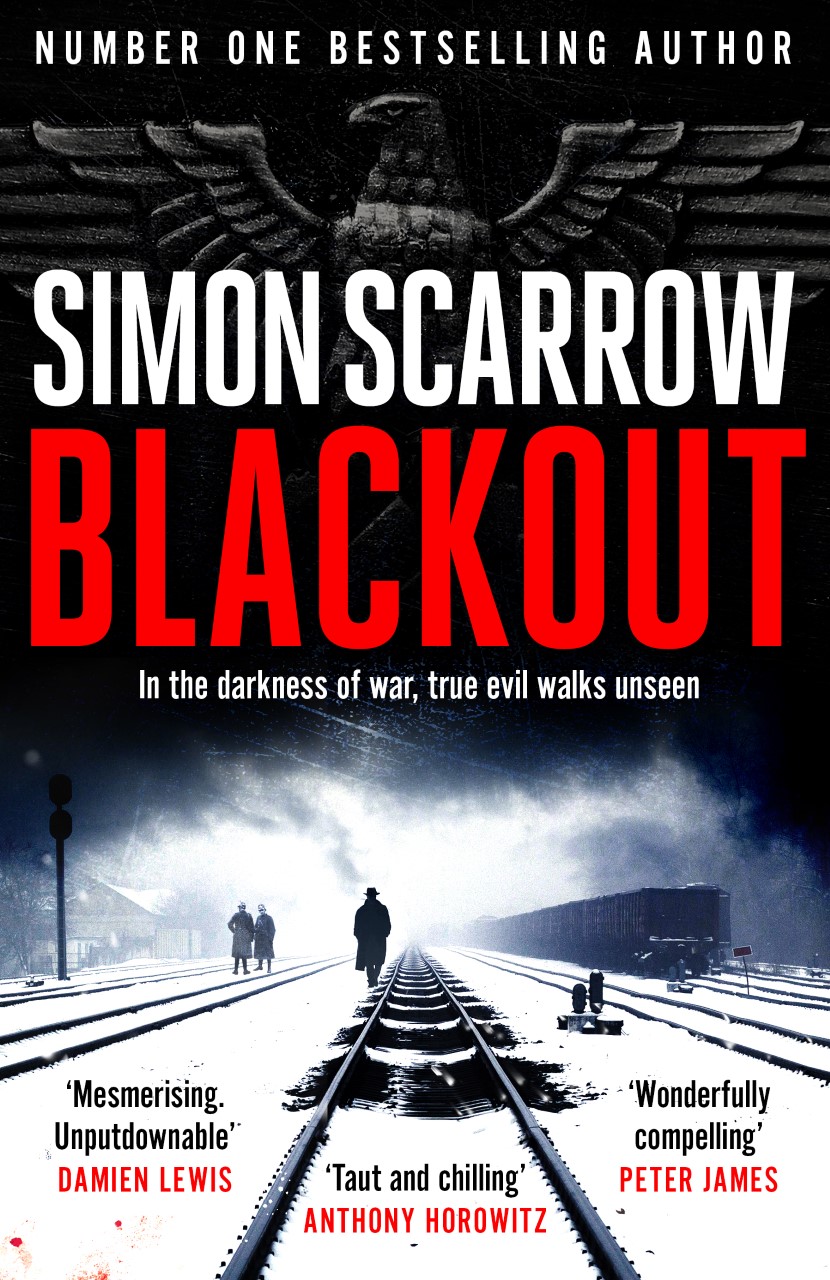
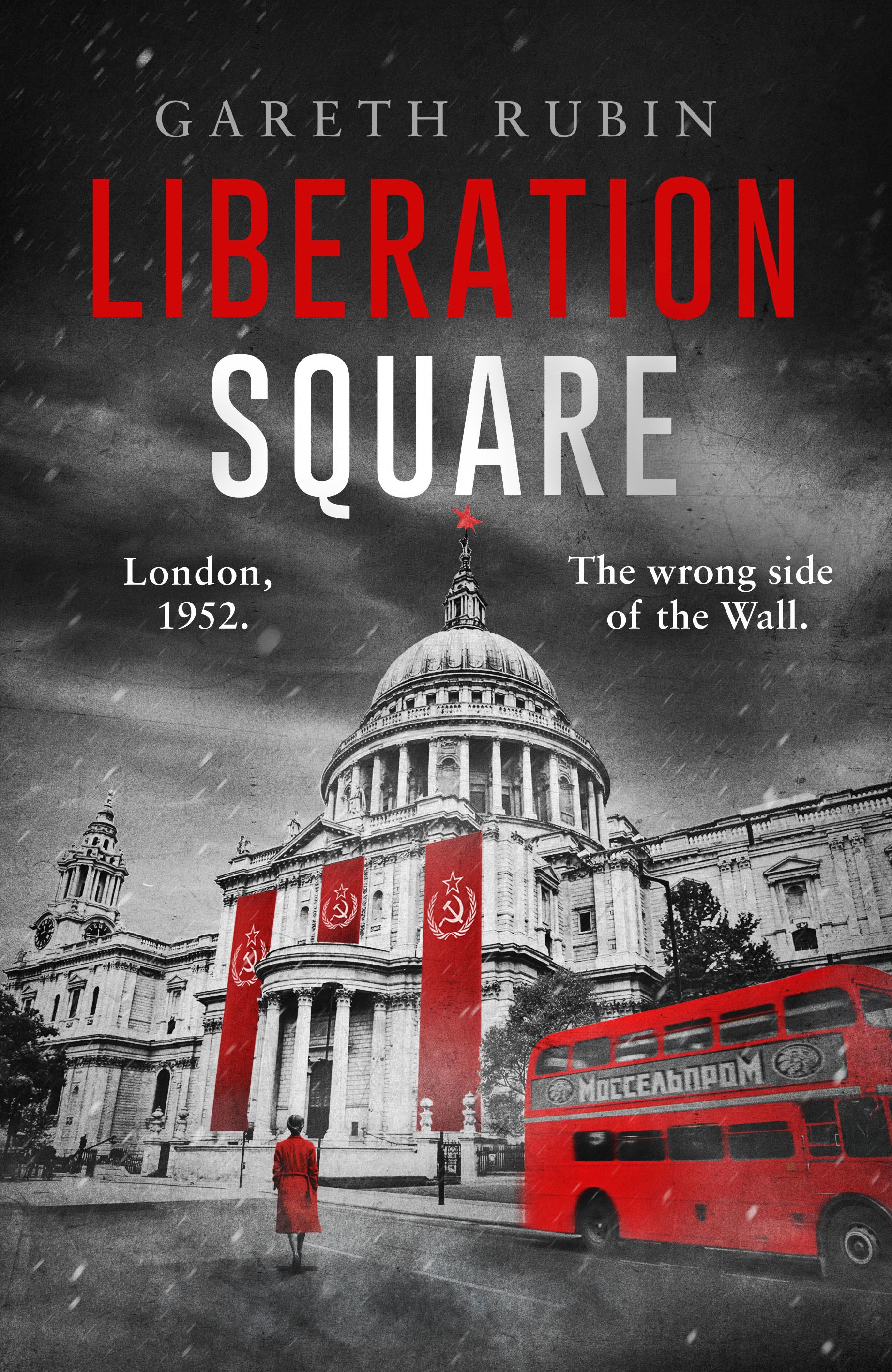
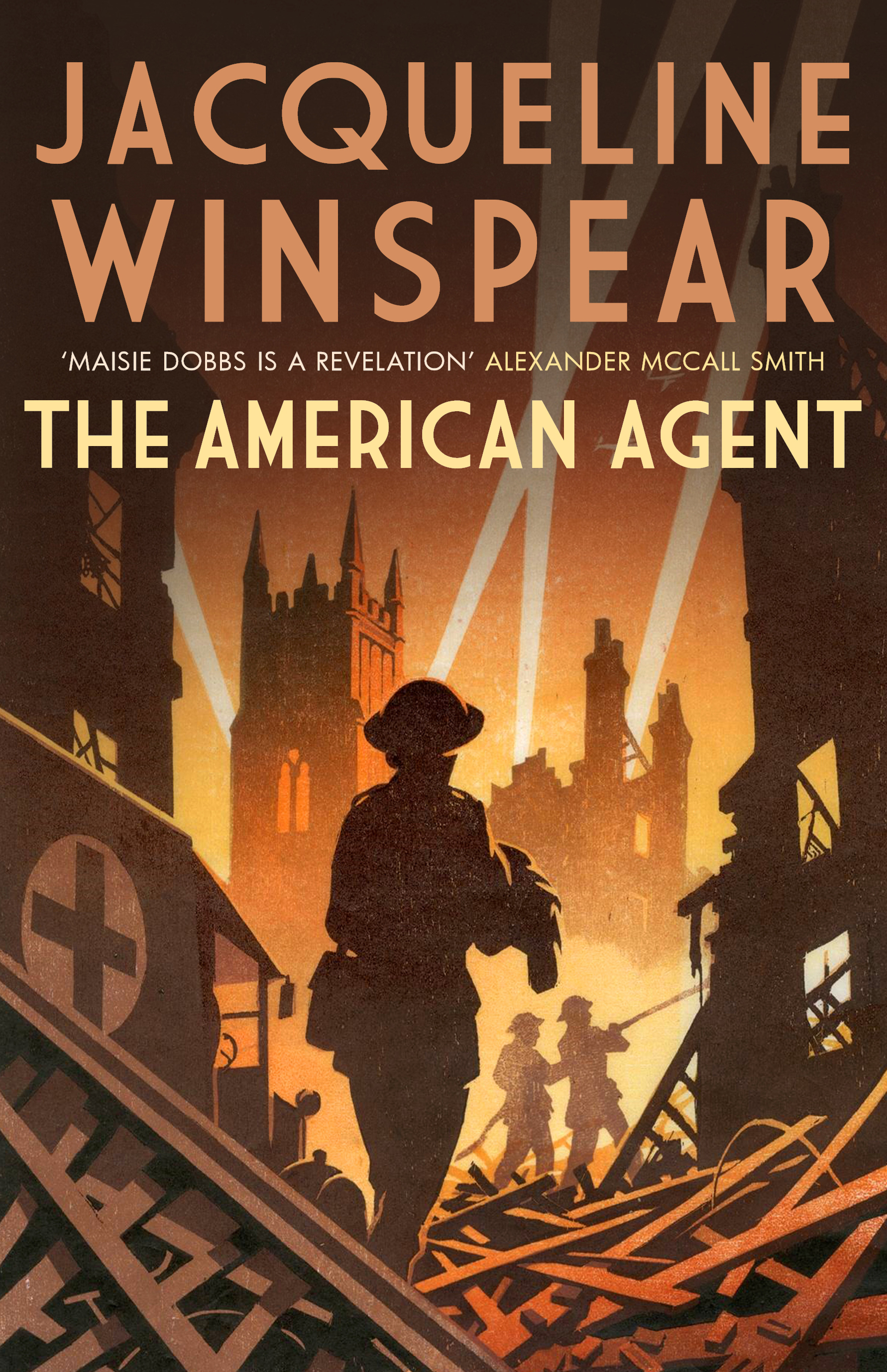
I’ve enjoyed the chance to review several novels set in war time for this blog. Some of the books have been romance stories such as the Dressmaker of Paris, by Georgia Kaufmann and While Paris Slept by Ruth Druart. Most have been thrillers such as Liberation Square , by Gareth Rubin The American Agent, by Jacqueline Winspear, and Ben Pastor’s The Horseman’s Song. War provides a great background to any story with ready-made elements of danger and villains. This months second book review is a detective thriller set in WW2, and whilst I may have initially thought this would re-tread of familiar territory, I was pleasantly surprised.The book is of Blackout by Simon Scarrow and published by Headline (www.headline.co.uk) on the 24th September .
Blackout is set in Berlin at the beginning of WW2, while Hitler is invading Poland and undertaking ‘peace’ negotiations with Britain and France. Every aspect of German life is run and ruled by the Nazi Party including the police force. Paranoia is intensified by the blackout which plunges the city into darkness every night. When a woman is murdered, Criminal Inspector Horst Schenke is under pressure to solve the case. Treated with suspicion by his superiors for failing to join the Nazi Party, Schenke walks a perilous line – for disloyalty is a death sentence. When a second victim is found and the investigation takes him closer to the sinister heart of the regime, Schenke realises the warring factions of the Reich are as dangerous as the killer.
What you quickly realise about this book, is that it has all the things you’d expect to find in a standard detective novel. A smart, but isolated lead character, with a medical disability. Which makes him somewhat unique to the usual suspects in this genre , who are usually burdened with a mental health or addiction problem; there’s also a stalwart team of lower ranking staff; difficult superiors, and a love interest. Not forgetting the politics and a public who have biased views of certain other people .
However, Scarrow’s knowledge of the workings of the Reich, the paranoia amongst the public, and the level of bullying, make this book stand out from its peers. He does also show the misery of the cold winter and deprivations faced by the general public, many of whom had little appetite for another war. The persecution of the Jewish people of course come up and here we see the moral dilemma faced by Schenke. While also seeing his frustration at wanting to follow the evidence but being thwarted by politics and those wielding the power.
This book is very technically correct but Scarrow has converted some of the German job titles in the Krippo to their English counterpart to make it easier and more familiar for the reader. At heart this plot could have been set in any era including modern times but the war time background added layers of tension, intrigue and interest for the reader as well as leaving you feeling you had learned a little more of the social history of that period and place. It was interesting to hear of the hardships and fears faced by the German public, when we’re mainly aware of the Londoner’s in the Blitz etc.
Schenke is a great new addition to a list of great cerebral detectives like Morse and Adam Dalgleish. while we are also introduced to a number of interesting chracters on his team, like the OCD Liebwitz, and the loyal Sergent Hauser. I hope to see all develop further in future stories. And what of Katrin, Schenke’s girlfriend with her outspoken views? Will their romance go the course or cause more drama?

This is english author Simon Scarrow’s (www.simonscarrow.co.uk) thirty fourth book, the majority are historical fiction, and Most of have been top of the Sunday Times bestseller lists. On leaving school he followed his love of history by becoming a teacher, before taking up writing full time. His Roman era Eagles of the Empire series sold over 4 million copies of the books in the UK alone and his work has been translated into 24 languages. He lives in Norfolk.
Blackout is highly recommended by The Library Door. It should appeal to fans of detective fiction and historical thrillers. It also joins the many crime stories set at Christmas so will make an ideal Christmas present for the crime fan in your circle.
Reviewed by: Georgina Murphy
This book review is part of a Random Things Blog Tour. To see what the other reviewers thought of the book, visit their blogs listed below. Then if you get a copy, comeback and tell us what you thought. We’d really appreciate the feedback.

 This week, the Crystal Palace and Welsh International goalkeeper Wayne Hennessy was accused by a Football Association hearing of “lamentable” ignorance towards Fascism and Adolf Hitler. This came after he used the excuse that he didn’t know what a Nazi salute was. This thirty-year-old highly paid premier league footballer’s appearance before the tribunal came after images of him emerged last year, at a Crystal Palace team dinner, making what was construed as a Nazi salute.

 It is often said “That fools rush in where angels fear to tread..”(Alexander Pope) and considering the day that’s in it, it seems quite apt. But in the thriller or crime genres, the hero or heroine needs to be a little fool hardy and to take risks, in order to solve the mystery or save the day. Foolhardiness also played a big part in real life times of crisis, such as during the two world wars with numerous accounts of heroic acts which in normal day to day life any self respecting angel would have balked at the notion.

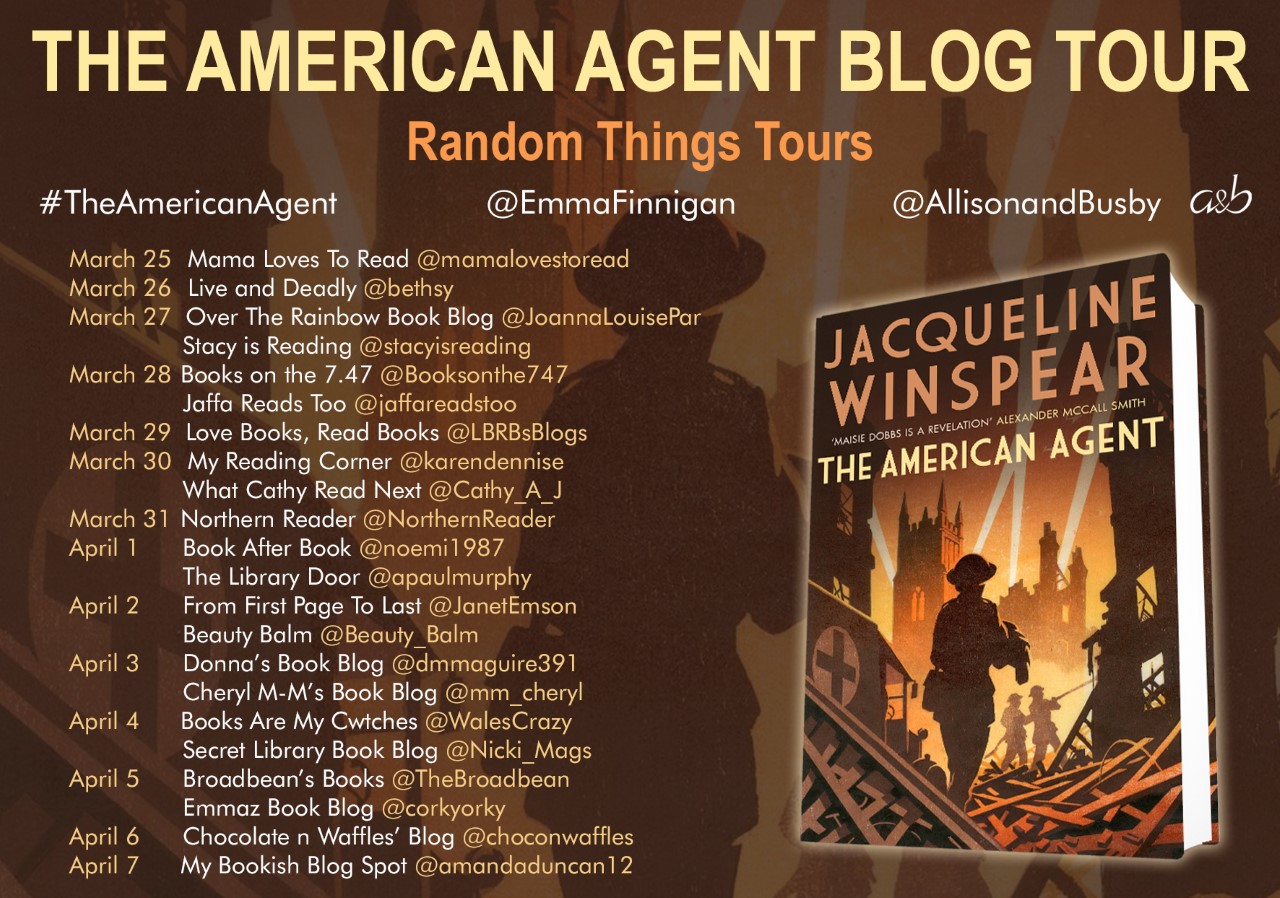
 When H.G. Wells published his novella The Time Machine in 1836, time travel was still in the realms of fantasy. With the development of nuclear and quantum physics over the past one hundred and eighty years, the idea of travelling back and forward in time is perceived to be closer than ever. If, it hasn’t already been achieved in some small aspect, by a government or corporation.
 of Native Americans to try raise a new American army, but nothing is mentioned of whether they succeed or if Von Stueben and the Nazi’s do. I can only assume Fernely is planning a second book, with a conclusion where a new America under German rule is formed and the outcome of World War Two is altered or maybe he’ll introduce another group of time travelers from the future lead by the allies. These I would look forward to, but if there is no such thing then I’m very disappointed.
 On the day that I finished reading this month’s second book, back at the start of February, it’s ironic that Rolf Harris was cleared of three further historical sex abuse charges. One of his greatest hits was a firm favorite at Christmas and I’ve found myself humming regularly, especially while reading this book. Since his conviction it and all his other work, both artistically and musically has been scrubbed from playlists and removed from public view, which is a shame.

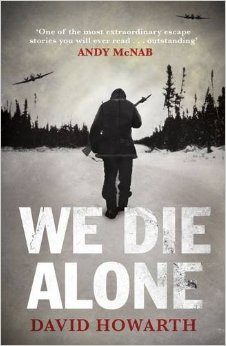 Imagine you’re living on the outskirts of a small rural village or in an isolated farmstead – in Nazi occupied Norway, north of the Artic circle. On a bitterly cold, dark, mid-winter evening there’s a knock on your door. You open it to find a wounded and disheveled stranger, close to exhaustion. He’s on the run from the Nazis. He needs you to feed and shelter him. You know that if you do, you will be tortured and killed if found out. Not only you, also your children – who are sleeping upstairs – could also be killed to make an example of “collaborators” or transported to a ‘labour’ camp.

 It may be one of most romantic cities in the world, but with what has been visited upon the French capital in the past twelve months, you’d think I’d be turned off going there. On the contrary, this makes me more determined than ever to fan the flames of love in its various arrondissements, walking hand in hand along the banks of the Seine or sittiing outside it’s cafe’s and boulangeries drinking coffee and nibbling fresh flaky croissants while admiring the architecture. Thus bringing us on to this month’s book – it’s The Paris Architect by Charles Belfoure.

 the library door