

During my childhood, my mum worked for a while in a geriatric psychiatric ward. The hospital had been an asylum and a workhouse before that. A couple of the residents had been there their whole adult lives, having been put away for being unmarried mothers and therefore ‘morally deficient’, before the second world war and never leaving. A few of the male residents came with a warning to not be alone with them, nor to have them between yourself and the door. The residents ran the whole gamut of problems from sexual deviancy to pica. I was always fascinated by the tales she told and a little scared too.
Literature has always been able to mine a treasure trove of stories and characters in relation to mental illness. From Wilkie Collins and The Woman In white, a novel I read for my English literature O level, to the iconic, One flew Over the Cuckoos nest and Shutter Island, it seems the asylum and treatment of mental illness sufferers has ignited our greatest fascination and touched our darkest fears.
The hit of 2020 so far has been The Silent Patient by Alex Michealides, the story of Alicia Berenson who hasn’t spoken since the murder of her husband and Theo Faber, the psychologist who has a particular interest in finding out what she remembers . I read it at the start of Lockdown. I’ve also recently read a non fiction account of mental health treatment by Kerry Daynes (reviewed on here in February), a real life Forensic psychologist, which looked at memorable cases from her career.
I was delighted then to be able to get the opportunity to read this month’s second book review, which is Cracked by Louise McCreesh and published by Hodder & Stoughton (www.hodder.co.uk) in August.

The cover suggests that it is perfect for fans of The Silent Patient. Whilst there is a similarity in the setting within a psychiatric unit, this is much more a classic detective thriller.
Jenny Nilson hasn’t seen Dr Philip Walton since she left Hillside Psychiatric unit, eight years previously. She’s kept her time there a secret, even from her police detective husband. When Dr Walton is murdered, she becomes a suspect. Unknown to the police, Dr Walton was keeping a dreadful secret for Jenny and his was not the first death. Can Jenny contact old friends and enemies from the unit and clear her name before the secret is unearthed and her new life is destroyed?
I felt this was a classic detective story in style, as there a limited cast of characters, all with motives. As the modern story of Jenny’s investigation proceeds it is interspersed with the slow reveal of the back story. There are various twists and turns and you are kept guessing as to who the killer is and why they did it. I did feel that McCreesh used a predictable cast of mental health conditions. It seemed unlikely they’d all be mixing together. They weren’t even of the same age. The stock characters didn’t take away from the enjoyment of the story however.
Again, if I was picky, I would doubt that Jenny could have hidden her issues, continued with her medication and any appointments, for the whole of her relationship with James without him detecting something. However, their marriage was a useful device for Jenny to get inside information and move the story forward.
This is English author and Journalist, Louise McCreesh’s (@loumccreesh),first book. When not writing, she is a freelance journalist in London. She studied creative writing on the Curtis Brown Creative Writing Course and as a result received a scholarship from them to continue her work on her debut novel.
Overall, I felt this was a little cliched but nevertheless a thoroughly enjoyable thriller. So get on down to your local bookshop and buy it or download a copy.
Reviewed by Georgina Murphy
This review is part of a blog tour, to see what the other reviewers thought visit their blogs listed below. Then if you get a copy and read it, comeback and tell us what you thought, we’d really appreciate the feedback.



 We often have complex relationships with our nearest and dearest. After a death or the end of a relationship we are sometimes presented with secrets and with new perspectives of the people we thought we knew. So much is never said or discussed, leaving questions unanswered and feelings unresolved. I love the genealogy programmes on TV. Its funny how delighted the people are to find a ‘bad un’ in their family tree. With the distance of time, their unsavoury exploits are thrilling and amusing rather than shocking. The Long Lost Family programmes, which now have their format duplicated in the US and Australia, show the search for more immediate family and we see understanding and forgiveness shown to those who made brave decisions in what could be scandalous events for the period.

 Pickpockets are active in almost any area where large crowds gather. Tourist hot spots are regularly dotted with signs advising visitors to be aware of them. But some are so deft at their trade, that it can be sometime before you are aware that you have been targeted. Then when it happens, it feels like a violation, and that’s because it is. Some uncaring stranger now has your cash, phone, ID, and credit cards. The shock and loss of these personal and valuable items can at times be akin to a mini bereavement.
 We’ve all dreamt of an escape from our everyday lives, to live somewhere that we would usually holiday in and enjoy that holiday feeling permanently. The reliable sunny weather, the sea, the cheap cost of living and maybe the chance to reinvent yourself or to become ‘someone’ in a place no one knows you. Every year, many Brits and Irish retirees move to Spain and Portugal, to enjoy perpetual summers and a relaxed style of living. Fair play to them. I’ve had that daydream myself. The realistic among us, know, however, that its very hard to become a new person. Most of the time our history, personality traits and issues would catch up with us.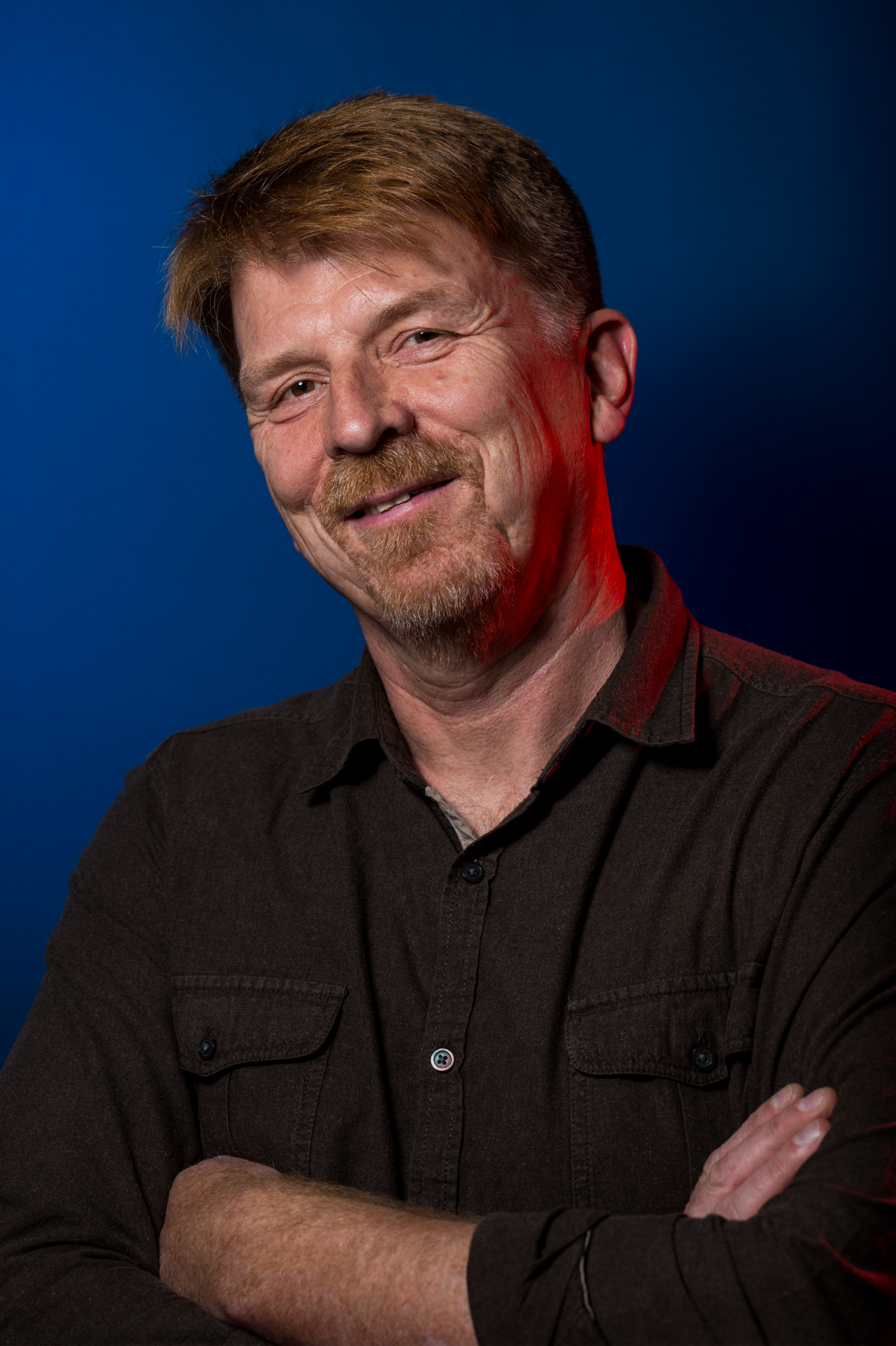
 According to the World Health Organisation domestic violence is a worldwide major public health problem, with the majority of the victims being females and children. As recently as 2017 the WHO estimated that 30% or a third of women globally experienced domestic abuse at some time while in an intimate relationship. Under normal circumstances victims and their off-spring have some outlet to escape or avoid their perpetrator, but with the Covid19 restrictions worldwide, it has forced both parties to be confined in their homes for longer periods of time, thus leading to more opportunities for abuse by the partner, whether it be husband or wife. The quarantine restrictions, and social distancing rules have also placed constraints on the various domestic abuse groups worldwide to assist those in trouble and offer an out from the situation. This month’s third book review tells the fictional story of one woman and her children’s escape, it’s a Life Of Their Own by Pauline Tait and published by Silverwood Books (

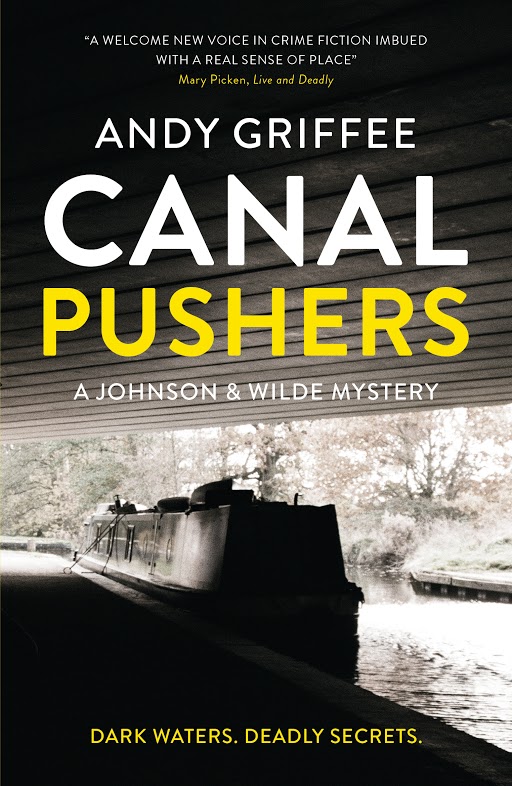 Having spent many years cruising the canals and rivers of England myself, in a previous life. I became familiar with narrow boats and the complexities of using locks, finding moorings and steering a sometimes large and, occasionally unwilling it seemed, boat through narrow passageways and tunnels. The countryside is beautiful, the pace relaxing and the boating community, friendly and welcoming. So, when I read the blurb about this month’s second book review, I was immediately engaged by the premise of the book. It is Canal Pushers by Andy Griffee and published in paperback by Orphans Publishing (


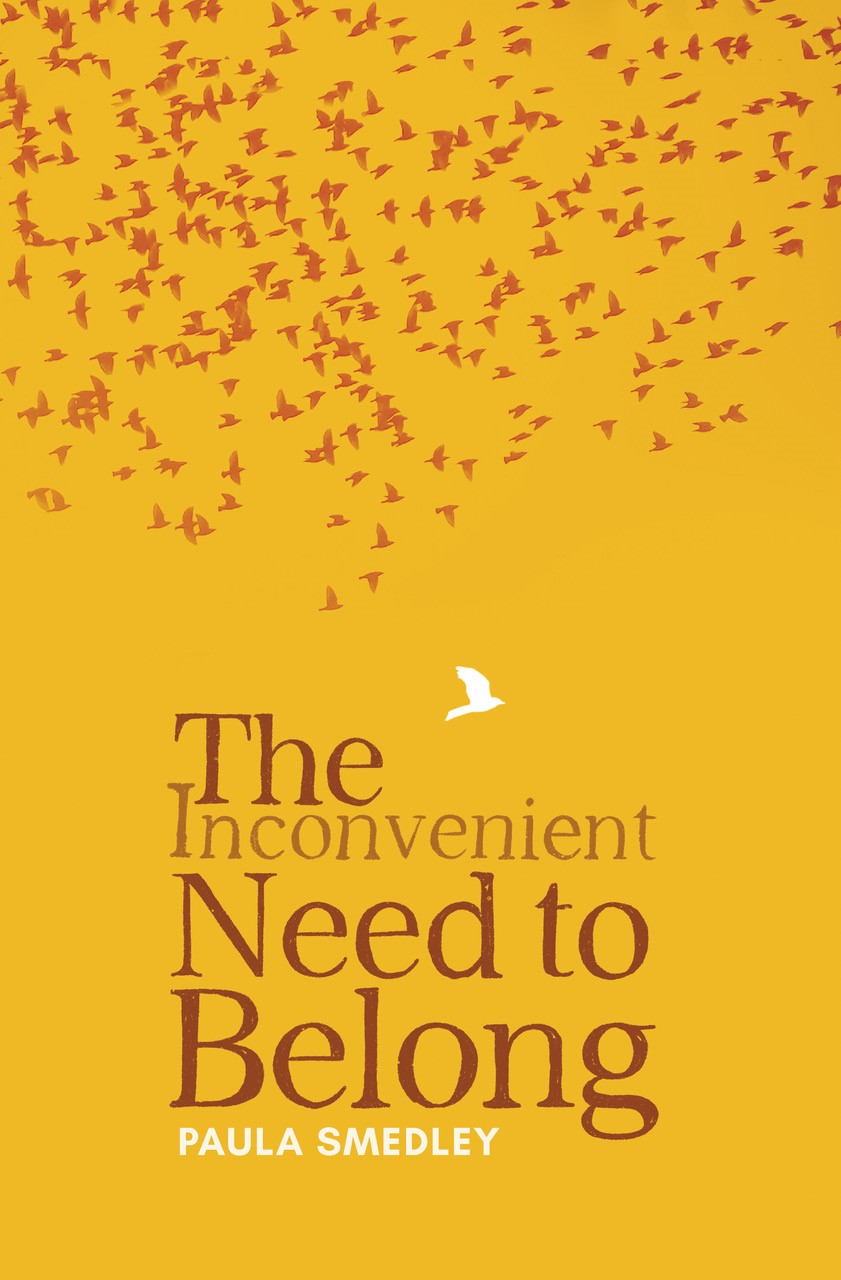 The West Country is an area of south west Britain running from Gloucestershire in the midlands, down to Dorset on the south coast and is made up, largely, of the peninsula that protrudes out into the Atlantic, culminating at the UK’s most southerly tip of Land’s End. I have been there on holidays a number of times over the years, most recently two years ago when myself and Georgina went to Ilfracombe in Devon (see the Lancelot review on this blog in June 2018). Two years before that, we spent a week in Colyton in East Devon. It was while there on that trip, that we also spent a lovely day exploring the ancient roman city of Exeter, which features significantly in this month’s first book review. The book is The Inconvenient Need To Belong by Paula Smedley and published by Silverwood Book (www.silverwoodbooks.co.uk) in April 2020.
 The urge to know our roots and lineage is strong. Recently I was offered the chance by an app on Facebook for it to guess my ancestry from my profile photo. Don’t judge me, I was five weeks into lockdown, and I was feeling bored. Seeing a friend’s interesting, if slightly off beam results prompted me to try. As previous readers of my reviews on this blog know, I’m of longstanding entirely northern English working-class stock. So, I was amused when it suggested I was mainly Spanish, with a dash of Mexican and Danish and a pinch of Italian.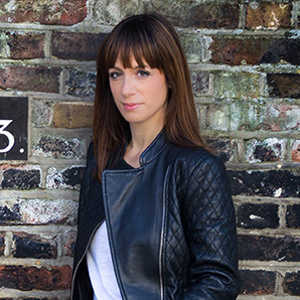
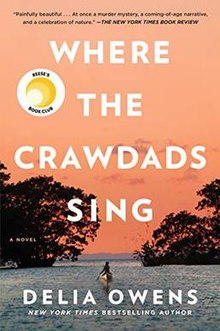 It’s hard to believe, considering what we are living through now, how ironic this month’s book group choice has been. I don’t think that eight to ten weeks ago, my friend David, whose book choice it was, could have imagined that we’d have been enduring a lockdown when reading it and that isolation was a thing we’d be now getting accustomed to both in reality as well as in the pages of this book. This month’s book review is Where The Crawdads Sing by Delia Owens and was published by Corsair (

 the library door