

Over the past year, two independently made tv documentaries have put the spotlight on the small West Cork village of Schull and has led to large numbers of viewers flocking there. The reason for the interest in this remote hamlet, is the unsolved murder of French film producer Sophie Toscan du Plantier in December 1996. In the interim, one man has become the prime suspect, but never been charged or convicted in Ireland. In France, Ian Bailey was found guilty in absentia and sentenced to 25 years in prison. There are similarities to this case and the subject of this month’s second Book Review, the book is the Dublin Railway Murder by Thomas Morris and published by Vintage ( www.penguin.co.uk/company/publishers/vintage.html ) on the 11th November.
Dublin 1856, the Chief Cashier of the Midlands Great Western Railway, Mr George Little. Was discovered dead with his throat cut in his office, which was locked from the inside, at the Broadstone Terminus. No murder weapon was found and thousands of pounds in gold and silver are left lying on his desk. Irelands most experienced detective and Dublin’s leading lawyer team up the investigate the murder. But the mystery defies all explanation and even baffles two of Scotland Yard’s top sleuths. With the days and months dragging on and five suspects arrested and released, along with every twist and turn of the case followed by the press, a local woman suddenly comes forward claiming to know the killer… Is she telling the truth, or is it just another dead end? Also, can a Phrenologist from England also prove that he can tell if a person is a murderer or not by measuring their head, if so, is the new suspect capable of committing such a deed?
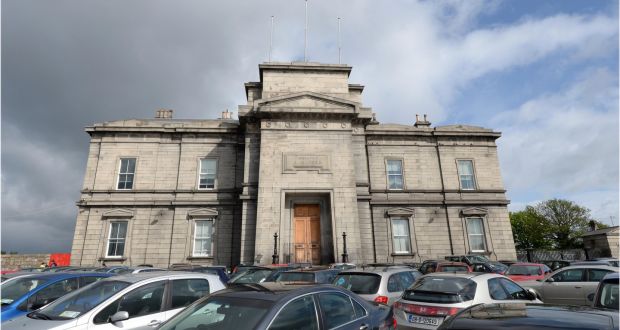
I live just south of Dublin in the coastal town of Bray, and was in the city last week when I had to go to the leafy southside suburb of Ballsbridge for a work event. As for being anywhere near the north inner city, it’s been well over two years or more. The Broadstone terminus is now a large Dublin Bus depot, with a Dublin Light Rail (LUAS) stop adjoining it too. It recently underwent a major multimillion-euro restoration project of the old station building. I’ve never had any need to use it or visit the site or was I aware of an unsolved murder there.
Click the link to take a virtual tour of the refurbished station and The murder scene (KBC / Journal.ie) http://www.thejournal.ie/broadstone-station-vr-tour-3836271-Feb2018
The book is an amazing historical read, which leads the reader through every facet of the investigation and its aftermath. I was enthralled by the historical detail Morris potrayed about Dublin, Ireland, and its citizens, as well as the famous literary connectiuons to the case, like Jane Austen and Oscar Wilde. While reliving how basic murder investigations were back then. Especially considering how easily crime solving is portrayed in books and on the large and small screens these days, with the aid of computers and Forensics.
Back then, for example, the coroner wasn’t a medical man, just someone from the political elite who had friends in high places. Then there’s the strange interpretations of the law, like for example a wife not being able to give evidence against her husband. While forensically, the crime scene is all but rendered useless by hordes of curious onlookers and members of staff of the building entering the office to gawp at the sight of a dead man, let alone mentioning that the body is searched by members of the management of the company before any member of the police force arrives on the scene. This all comes across as very chaotic, but it is of its time and thank God things have moved on.
This isn’t my first time reading a book detailing the investigation of a real-life murder in Victorian England or Ireland. I’ve previously read the Suspicions of Mr Whicher by Kate Summerscales, Whicher was actually one of the two detectives sent across by Scotland Yard, although the celebrated detective remained very much under the radar and returned home baffled by the case after a fornight. On top of that I’ve also read Patricia Cornwell’s Portrait of a Killer, one of many books written about Jack The Ripper. Here we realise very quickly the haphazard way things were done, even down to the anti-Semitic accusations bandied about by the public and press.
Meanwhile, if you are one who loves James Patterson’s style of serving up chapters a single page long, then you are in for a let-down, so meaty and in-depth is Morris’ research and attention to detail, they are on average twenty plus pages in length. Each one ends on a teasing and page turning high point, meaning that this could lead to a few late nights. Who needs Netflix when you can binge your way through the salacious details of a murder mystery that makes this book a thoroughly engaging and enjoyable read? So delighted was I with this book, that had it arrived a couple of weeks earlier, I’d have presented it to my book group as my December choice. I suppose there’s always next year,

This is English author and historian Thomas Morris’ ( www.thomas-morris.uk ) third book, his others are The Matter Of The Heart (2017) and The Mystery Of The Exploding Teeth (2018). Before becoming a write he was a BBC Radio Producer for 18years and his freelance journalism has appeared in The Times, The Lancet and TLS. He also has a blog is subtitled “Making You Grateful for Modern Medicine”, he currently lives in London.
So, if you are interested in Irish history, or like me a local resident fascinated to learn about the capital city’s dark past, then this enthralling and highly addictive book is a must for you, or an excellent Christmas present for friends or family at home or abroad.
Reviewed by Adrian Murphy

This review is part of a Random Things Blog Tour. To see what the other reviewers thought visit their blogs listed below. Then, if you get a copy and read it, comeback and tell us what you thought. We’d really appreciate the feedback.


 As a child, I was horse mad. I lived and breathed horses and riding. I knew all about their care, their tack and their ailments. My greatest wish was for a horse of my own. Growing up on an inner city council estate, I was regularly brought back down to earth with the pronouncement that you can’t keep a horse in a green house. However, I was indulged to the point of having riding lessons during my early teenage years. The school I went to was very good. It instilled a full education on horsemanship and horse care. None of this turning up to have your tacked pony brought out for you, Oh no, we had to catch them or get them up, brush them down, check their hooves and tack them up ourselves. No mean feat for 12 year olds dealing with the most savvy, sly and workshy school ponies ever. But we loved it.
 The city of Cork is the second largest city in the Irish republic after the capital Dublin, but is often considered by its residents to be the real capital. It could have something to do with having the second largest natural harbour in the world after Sydney and the oldest yacht club in the world, founded in 1702. The city’s other claims to fame are, it was the location of the first Ford factory outside of America and the “Rebel County” of Cork is the largest county in Ireland.
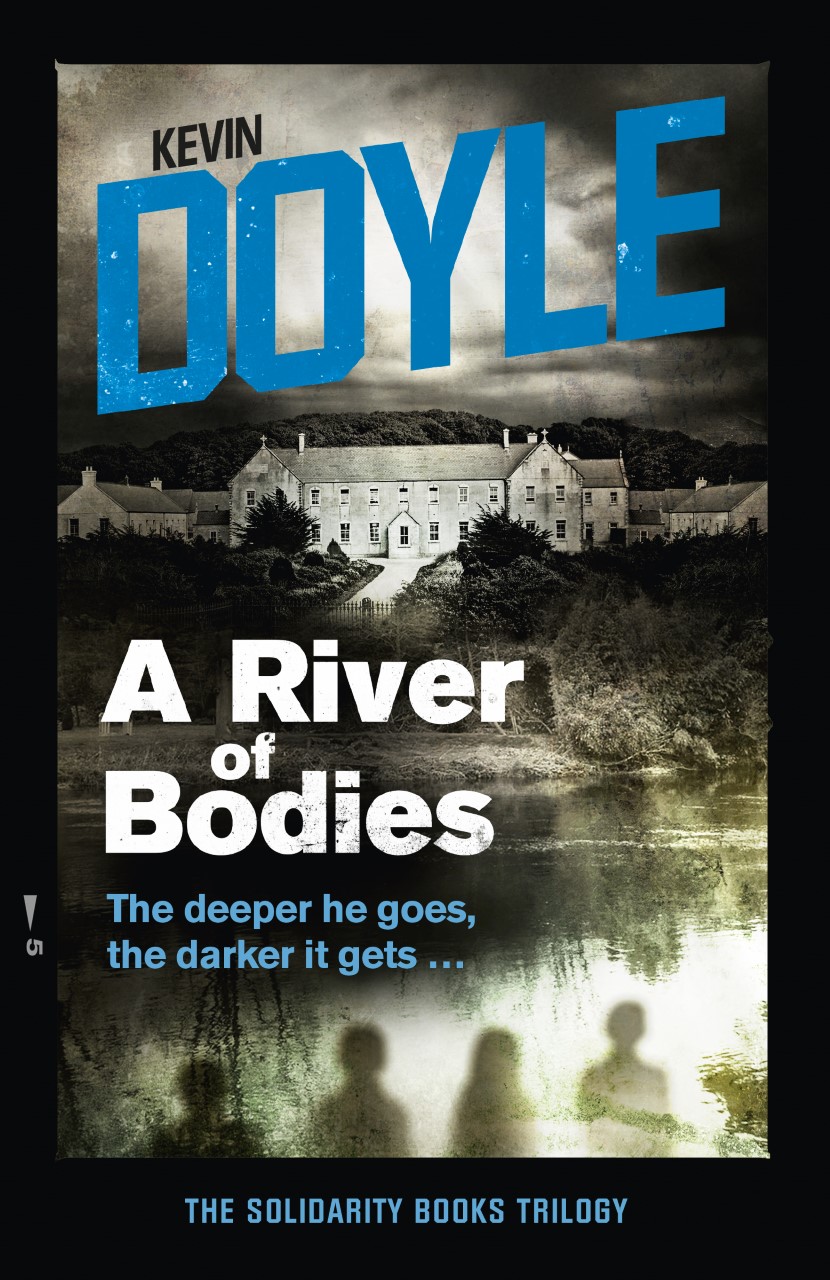
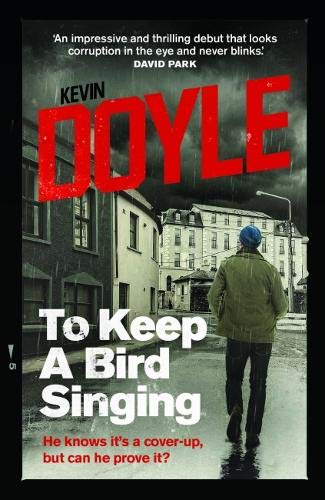 years previously and when, he by chance, discovers them in a charity shop at the start of the first book he also finds the confession of an ex Garda and a sheet of paper with the name of ‘Brian Boru’ (an old Irish king) in a couple of the LP sleeves. Early on in River of Bodies, his neighbour and friend dies from his injuries after a mysterious single car accident. As the trail takes him well beyond the county border and internationally, how many more deaths must Noelie and his close family and friends endure before they can unearth the truth?
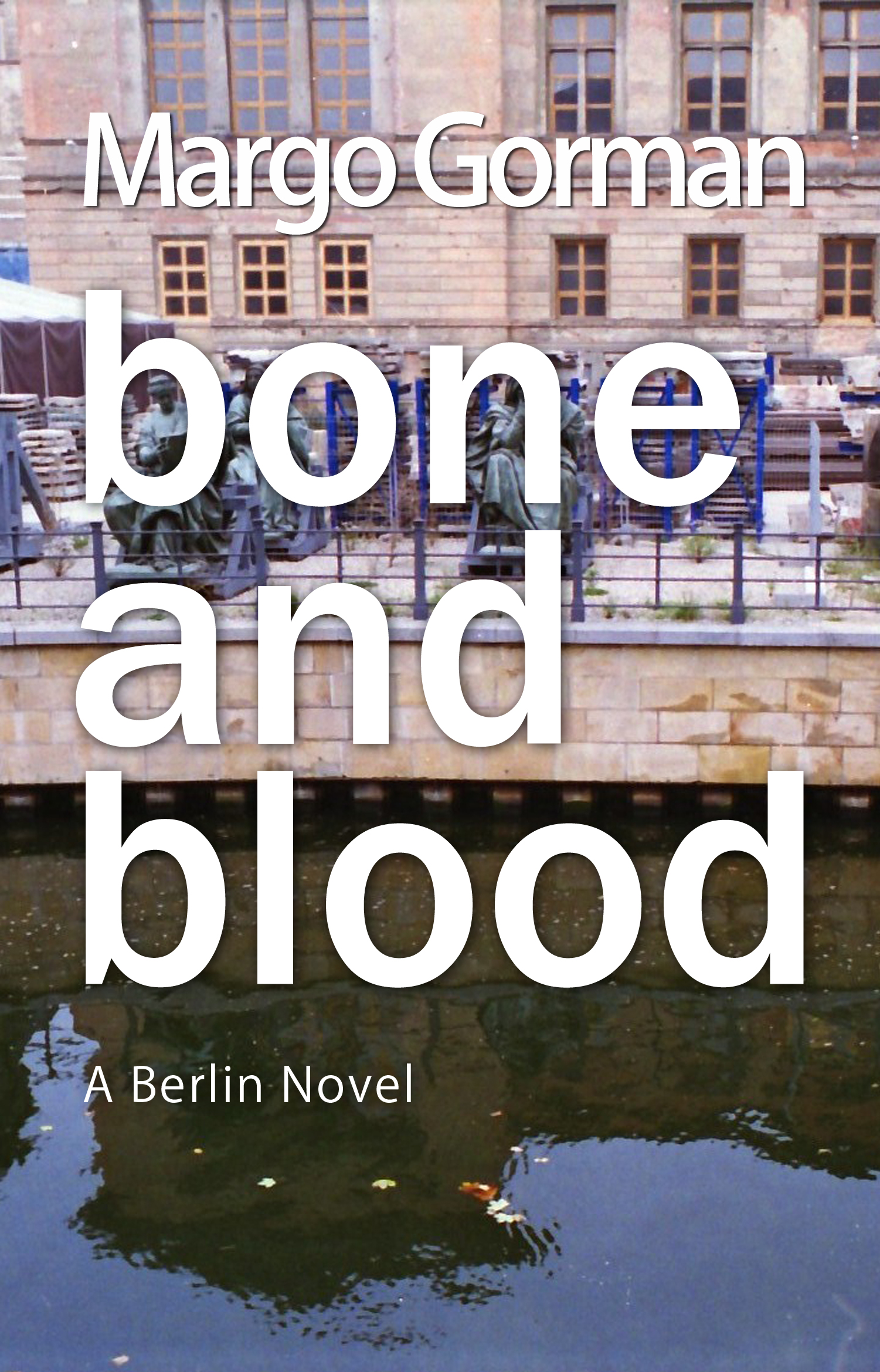 Some books are said to be read like a swimming pool, you leave it there and dip in and out when you feel like it. That’s usually reserved for reference books or coffee table behemoths and other handy door stops. Most books are treated like a meal owing to the way stories are usually laid out with a starter, mains and dessert. This brings me to the first book review of 2018. It’s Bone and Blood : A Berlin Novel by Margo Gorman, published by Matador
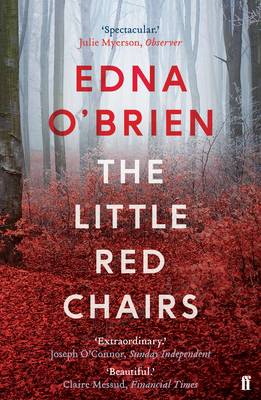 During my wedding weekend in Lincoln in June, Lincoln castle had some very important guests. they were a segment of the 888,246 ceramic red poppies that were installed in the Tower of London in 2014. The poppies represented the British men and women who were killed fighting in both world wars. This isn’t the first time inanimate objects have been used to represent those slain in battle, on the 6th April 2012 an art installation was unveiled on Sarajevo’s main street, it consisted of 11,541 red chairs which represented the victims of the siege of Sarajevo which lasted from the 1992-1995. In the midst of this audience of empty red chairs were 643 little red chairs representing the children killed during the siege, and that is the inspiration for the title of this month’s book, it’s The Little Red Chairs by Edna O’Brien.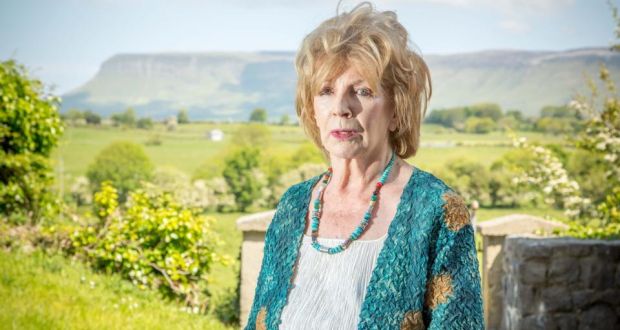







 the library door