
 While reading an article the other day on the topic of golf course etiquette, and when it might be okay to walk off a course, the author claimed we have all been taught the same thing; and that is to always finish what you started. They went on to provide certain examples such as a DIY project, a sandwich…. (probably depends on who made it) and finally a book you are reading.
Well not in my experience! There are times when the old adage applies; that life is too short to drink bad wine or continue reading a book that you are not enjoying. This happened with this month’s second book review, which is sad, seeing as it was published at the end of October and this review is going up the day before Remembrance Sunday, when across the world we mark those who lost their lives in both world wars and all conflicts since.
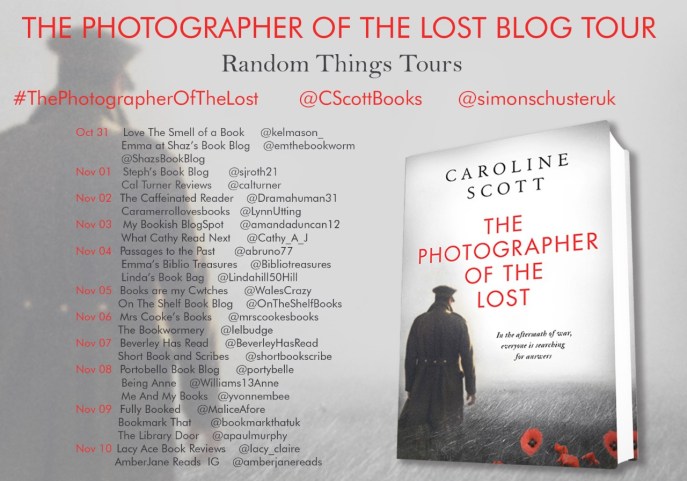
The book is The Photographer of the lost by Caroline Scott and published by Simon & Schuster (www.simonandschuster.co.uk) on the 31st of October.
Its 1921 and families are desperately trying to piece together the fragments of their broken lives. While many survivors of the Great War have been reunited with their loved ones Edie’s husband Francis has not come home. He is considered ‘missing in action’, but when Edie receives a mysterious photograph taken by Francis in the post, hope flares. And so she beings to search.
Harry, Francis’ brother, fought alongside him. He too longs for Francis to be alive, so they can forgive each other for the last things they ever said. Both brothers shared a love of photography and it is that which brings Harry back to the Western Front. Hired by grieving families to photograph grave-sites, as he travels through battle-scarred France gathering news for British wives and mothers,
Then as Harry and Edie’s paths converge, they get closer to a startling truth.
I got as far as the eighty fifth page of this four hundred and ninety-five-page tome, most books get fifty pages to get me hooked, but it’s all relative when you have this many pages to read.
The two main characters seemed to be endlessly meandering back and fourth across rain sodden and mortar scarred battle fields looking for their loved ones, I found it hard to want pick it up and continue to read it, let alone overlook the inconvenience of lugging it around on my daily commute. Yes, if you have an e-reader its ok, but I don’t because I’m a traditionalist.

Caroline Scott
This is English born Author Caroline Scott’s (@cscottbooks) first book and was inspired while completing a PhD in History at Durham University. While there, she developed an interest in the impact the first world war had on the landscapes of Belgium and France and in particular the experience of women during the conflict. She was allowed to indulge her passion while working as a researcher for a Belgian company. Originally from Lancashire, she now lives in Southwest France.
I always feel upset at not finishing a book, especially when its for book group and the others tell me how great it was after the sixty fifth page. This book is not in my opinion an ideal book group read, as trying to read a book like this in a month or less would be a struggle, unless you only read one book a month and have nothing else occupying your life.
I wish Caroline well with this book and look forward to reading her future works and to those we’ll remember over the next couple of days….
They shall grow not old, as we that are left grow old:
Age shall not weary them, nor the years condemn.
At the going down of the sun and in the morning
We will remember them.
(The Fallen, L. Binyon)
Reviewed by: Adrian Murphy
This book is part of a Random Things blog tour, to see what the others thought, visit their blogs listed below. Then if you go off and read the book, comeback and tell us what you thought. We’d love the feedback.
 As a child, I was horse mad. I lived and breathed horses and riding. I knew all about their care, their tack and their ailments. My greatest wish was for a horse of my own. Growing up on an inner city council estate, I was regularly brought back down to earth with the pronouncement that you can’t keep a horse in a green house. However, I was indulged to the point of having riding lessons during my early teenage years. The school I went to was very good. It instilled a full education on horsemanship and horse care. None of this turning up to have your tacked pony brought out for you, Oh no, we had to catch them or get them up, brush them down, check their hooves and tack them up ourselves. No mean feat for 12 year olds dealing with the most savvy, sly and workshy school ponies ever. But we loved it.

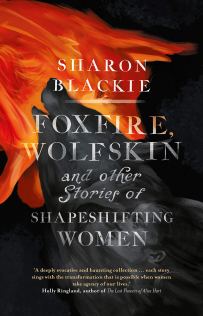 I appear to have tapped a rich seam of folklore, myths and fairy tales in the last year or so. Earlier I read and reviewed Lancelot by Giles Kristian, an imagining of the life of the Lancelot of Arthurian legend, for this blog. My bookclub’s reads have included the Snow Child, by Eowyn Ivey, a reworking of the Russian fairy story and The Familiars by Stacey Hall, which fictionalises the Pendle Witch Trials. I’ve also enjoyed The Hoarder by Jess Kidd, a story of hoarding and the supernatural set in the modern day. One of the most striking repeated themes in all of these has been the fox as a familiar or as a sign of magical happenings. Its certainly given foxes a good press!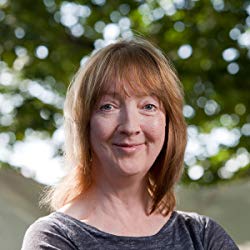

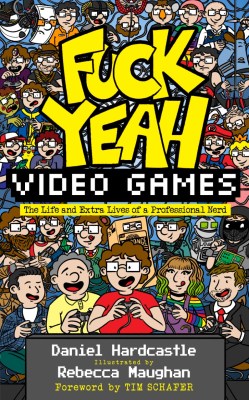 The first thing I can tell you about this month’s second book, is that quite a few of my readers are not going to like it from the get-go. But there will be a group of you who will be fascinated by this book, even excited. The book is Fuck Yeah Video Games by Daniel Hardcastle and published by Unbound (www.unbound.com) on the 19th September.

 Next year marks the 60th anniversary of the death of Boris Pasternak, the author of the famous novel, Dr Zhivago published in 1957. Despite Pasternak’s avowal that it was a love story, Dr Zhivago was banned in his home country due to its anti-October revolution sentiments, this also didn’t stop David Lean making it into a hugely successful film in 1965 starring Omar Sharif.
 provided a way of enlightening the Russian readers to more western sympathies. The book was therefore being used as a weapon in the cold war.
 The city of Cork is the second largest city in the Irish republic after the capital Dublin, but is often considered by its residents to be the real capital. It could have something to do with having the second largest natural harbour in the world after Sydney and the oldest yacht club in the world, founded in 1702. The city’s other claims to fame are, it was the location of the first Ford factory outside of America and the “Rebel County” of Cork is the largest county in Ireland.
 years previously and when, he by chance, discovers them in a charity shop at the start of the first book he also finds the confession of an ex Garda and a sheet of paper with the name of ‘Brian Boru’ (an old Irish king) in a couple of the LP sleeves. Early on in River of Bodies, his neighbour and friend dies from his injuries after a mysterious single car accident. As the trail takes him well beyond the county border and internationally, how many more deaths must Noelie and his close family and friends endure before they can unearth the truth?
 I seem to be having a run of family secret and particularly sister relationship novels to read. Either via my book club or The Library Door; they keep coming. A feminine spin on things would appear to be 2019’s trademark, with remakes for films using female lead characters instead of the original, male ones and a raft of strong female leads in film and TV.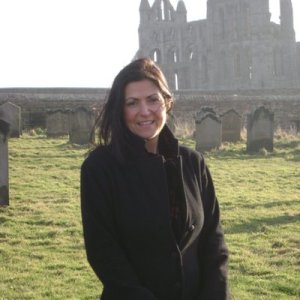

 All good things must come to end, either by death or dispute. The maturity is accepting that people leave, friendships end, love vanishes and life goes on with empty feelings, sad smiles, and a broken soul.


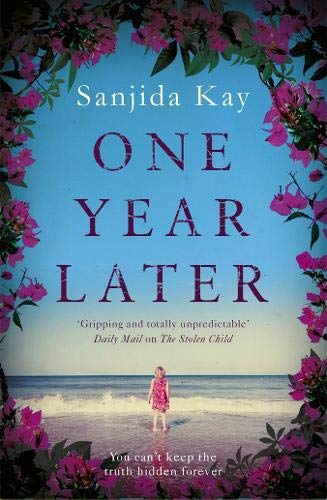 As I was reading this months first book, I was spending a long weekend in Kerry with my husband’s extended family. Nothing too sinister in the way of secrets involved, just a surprise 70th birthday celebration for his uncle. It had been planned over months and involved various relatives flying in or driving down to Kerry, caterers and, of course, a cake. All went off without a hitch, the birthday boy being left, for once, speechless. It was still interesting as a newcomer to the family to watch the interactions, the ancient but tolerated jokes and the acceptance of a few little irritations, which occur when a large group of people are forced together for several days.

 The adage goes about regular gamblers, ‘that they’d bet on two flies walking up a wall…”. Years ago, betting shops where the only way to place a bet, primarily on horses and dogs. Also back then, they were predominantly a male preserve. Dark and seedy places, that gave off a totally uninviting image. Nowadays, you can watch live races while drinking freshly made coffee and, owing to the removal of the boards which covered the windows of their predecessors, they are now light and airy places that want to entice customers of any age or sex.
 interesting ones. The criminal and gangland figures are stereotypical and after that, there are many others who only serve to complicate and overcrowd an already busy storyline.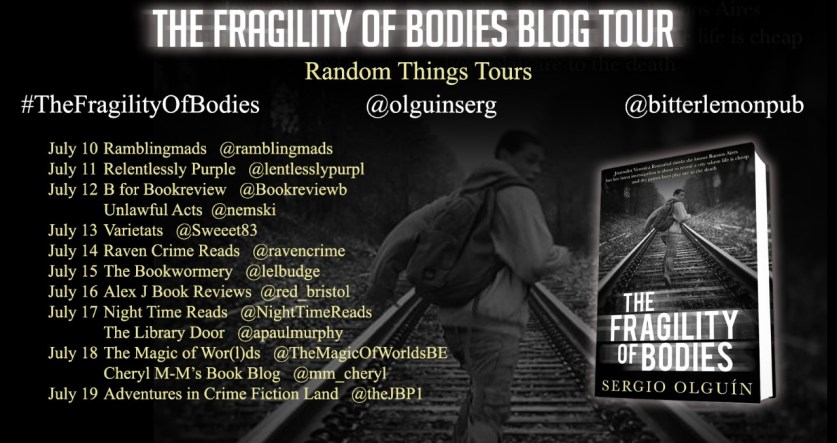
 the library door